
By
Alicia Edwards
October 28, 2024
Updated
April 23, 2026
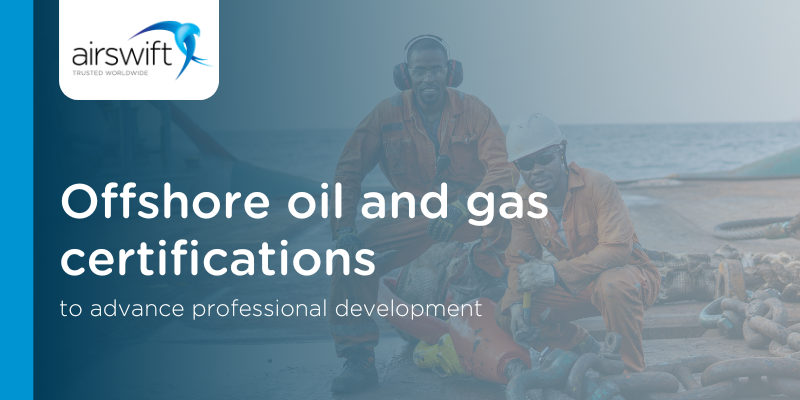
Offshore oil and gas jobs offer exciting opportunities and competitive salaries in a dynamic industry. These roles often involve working on remote offshore oil and gas platforms and require specialised skills and knowledge to ensure safe and efficient operations.
Obtaining the proper certifications is crucial for securing employment in this field and complying with industry regulations.
Below lists the crucial oil and gas certification courses necessary to obtain to land a role in this industry.

Offshore oil certificates and training bodies explained
API certificates
API certificates are essential credentials for professionals seeking employment in offshore oil and gas industries. These certifications demonstrate proficiency in adhering to industry standards set by the American Petroleum Institute. API offers a range of certifications for individuals working in various roles within the petroleum sector. These include qualifications for inspectors, auditors, and technicians involved in different aspects of oil and gas operations.
Some API certifications include:
- API 570: Piping Inspector
- API 936 Refractory Personnel
- API 653: Above Ground Storage Tank Inspector
- API 1169: Pipeline Inspector
- API 510: Pressure Vessel inspector
These credentials not only enhance job prospects but also contribute to maintaining high standards of safety and efficiency in offshore operations.
Basic Offshore Safety Induction and Emergency Training (BOSIET)
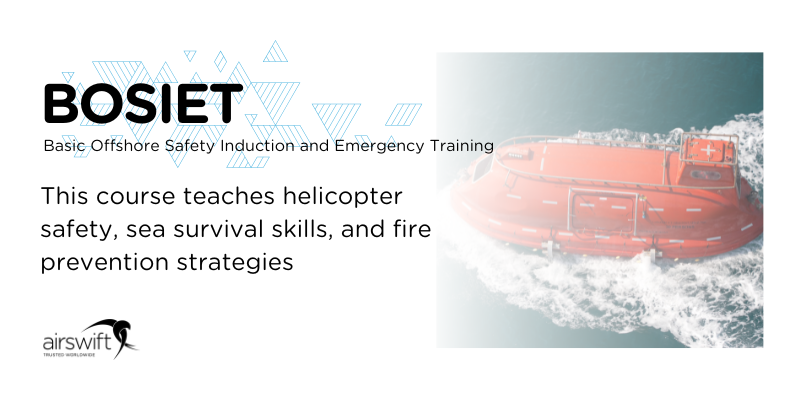
BOSIET is a mandatory certification for offshore workers. This course covers vital safety procedures and emergency response techniques specific to offshore environments. Participants learn about helicopter safety, sea survival skills, and fire prevention strategies. The training typically lasts three to four days and includes both theoretical and practical components.
Key elements of BOSIET include:
- Offshore safety regulations and practices
- Emergency first aid
- Use of personal protective equipment (PPE)
- Lifeboat and life raft deployment
- Escape chute training
Offshore Petroleum Industry Training Organisation (OPITO) certification
OPITO is a global leader in offshore oil and gas industry training standards. It provides certifications that are widely recognised and often required for offshore jobs.
OPITO certifications cover various aspects of offshore operations, including safety, emergency response, and technical skills. Many employers in the offshore sector require OPITO certificates as a baseline qualification.
Well control certificate
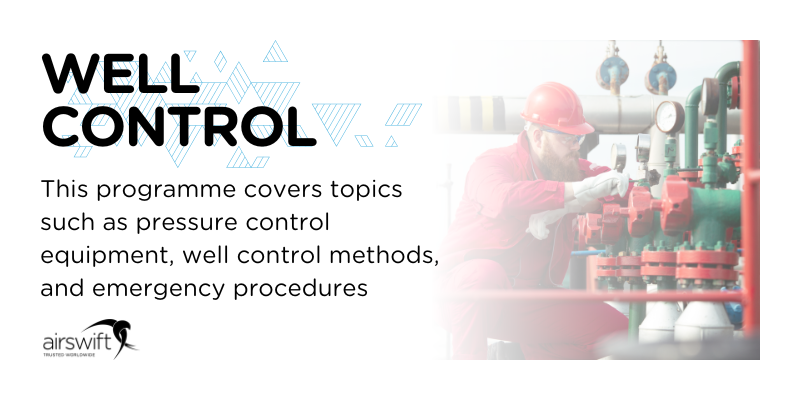
A well control certificate is an essential qualification for individuals seeking employment in offshore oil and gas operations. This certification demonstrates proficiency in managing wellbore pressures and preventing potentially catastrophic blowouts. The International Well Control Forum (IWCF) and the International Association of Drilling Contractors (IADC) are the primary organisations that issue these certificates.
They offer various levels of certification, ranging from basic awareness to advanced supervisory roles. Offshore workers typically need to complete a rigorous training programme to obtain a well control certificate. This programme covers topics such as pressure control equipment, well control methods, and emergency procedures.
Well control certificates issued by IWCF or IADC typically expire after two years for operational and supervisory roles and must be renewed to remain compliant.
Helicopter Underwater Escape Training (HUET)
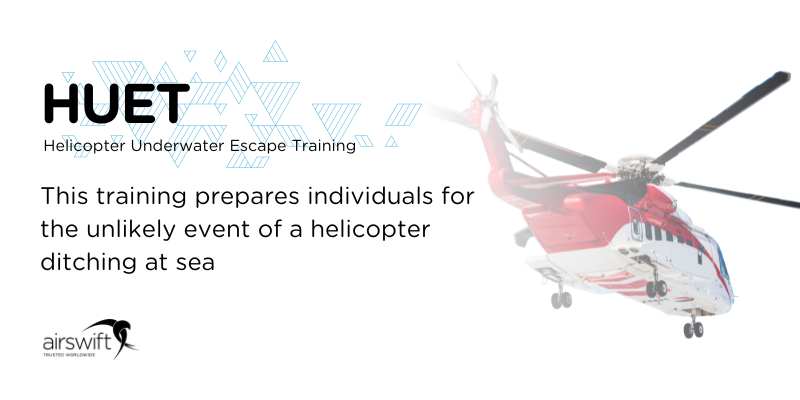
HUET is a critical certification for offshore workers who travel to and from platforms via helicopter. This intensive training prepares individuals for the unlikely event of a helicopter ditching at sea. The course typically lasts one day and involves practical exercises in a specially designed underwater simulator.
Participants learn:
- Pre-flight safety briefings
- Brace positions for impact
- Underwater disorientation coping techniques
- Emergency breathing systems usage
- Evacuation procedures from a submerged aircraft
HUET certification is often integrated with BOSIET or offered as a standalone course. It requires renewal every four years to ensure skills remain current.
City & Guilds international health and safety certificate
The City & Guilds International Health and Safety certificate is a key qualification for professionals in the offshore oil and gas industry, emphasising competence in managing health and safety risks in global settings. Covering risk assessment, incident investigation, and safety management systems, it prepares managers, supervisors, and safety professionals to implement effective health and safety practices.
To earn this certificate, candidates must pass written exams and practical assignments. The certificate is internationally recognised, making it particularly valuable for professionals working on global offshore projects.
International Maritime Dangerous Goods (IMDG) certification
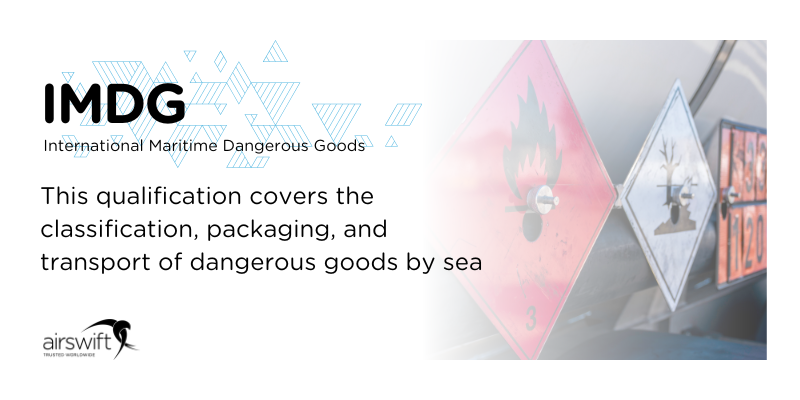
IMDG certification is crucial for personnel handling hazardous materials on offshore platforms. This qualification covers the classification, packaging, and transport of dangerous goods by sea. Certified professionals learn proper labelling, documentation, and emergency response procedures. The course typically spans 3-5 days and includes practical exercises.
Topics cover:
- Dangerous goods classes and divisions
- Packing and tank provisions
- Marking and labelling requirements
- Stowage and segregation rules
Upon completion, certificate holders can safely manage dangerous goods transportation, reducing risks and ensuring compliance with international regulations.
Many offshore certificates are transferable to offshore wind, so you may be able to find you are already qualified for opportunities.
What certificates do you need for different offshore oil roles?
The certificates you need to work offshore can vary depending on your role, responsibilities and location. Below is a general guide to the most commonly required certifications by job type.
Offshore technicians & engineers
(Maintenance, electrical, mechanical, instrumentation, production roles)
- BOSIET or T‑BOSIET (Basic Offshore Safety Induction and Emergency Training)
- Valid offshore medical (e.g. OGUK or regional equivalent)
- FOET (Further Offshore Emergency Training) if renewing an expired certificate
These certificates are required before travelling offshore and are considered baseline safety credentials.
Drilling & well operations
(Drilling engineers, rig crew, wellsite roles)
- BOSIET
- IWCF or IADC Well Control certification (level required depends on role)
- Valid offshore medical
Well control certification is role‑specific and mandatory for anyone involved in drilling or well intervention activities.
Inspection, QA & maintenance specialists
(Inspectors, NDT, QA/QC, maintenance supervisors)
- BOSIET
- Relevant API certification, such as:
- API 510 – Pressure Vessels
- API 570 – Piping Inspector
- API 653 – Storage Tank Inspector
- Valid offshore medical
API certificates demonstrate competency against recognised industry standards and are often required for inspection and compliance roles.
Offshore safety & emergency response roles
(HSE advisors, safety officers, emergency team members)
- BOSIET
- OPITO emergency response certifications (role‑dependent)
- Valid offshore medical
Additional OPITO training may be required depending on emergency responsibilities and seniority.
Offshore renewable & crossover roles
(Candidates moving between oil & gas and offshore wind)
- BOSIET or industry‑specific offshore safety training
- Valid offshore medical
- Additional project‑specific certifications may apply
Requirements can vary depending on asset type, region and operator standards.
What else you should know
Do offshore oil and gas certificates expire?
Yes. Offshore safety certificates typically expire after four years and must be refreshed before expiry.Do you need an offshore medical before completing OPITO training?
Yes. A valid offshore medical is required before completing OPITO offshore training that includes in‑water exercises.
What is CA‑EBS, and is it required for offshore safety training?
Some employers specify CA‑EBS rather than standard emergency breathing systems.Find in-demand oil and gas jobs near you
If you already have, or are working towards, these qualifications, Airswift can connect you with global offshore oil and gas jobs.
Not sure which offshore certificates you need for your role?
Our recruitment specialists can confirm requirements before you invest in training. Register for our candidate portal to see current vacancies and sign up for job alerts.