
By
Alicia Edwards
September 23, 2026
Updated
September 24, 2026
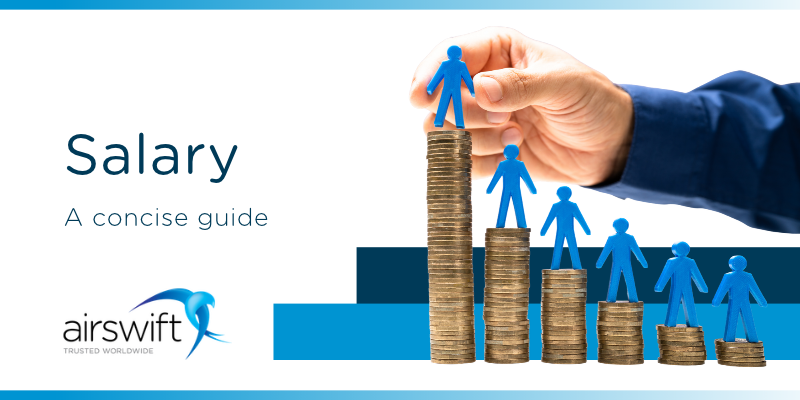
If you're wondering what a salary is, it refers to a fixed amount of money an employee is paid regularly for their work, usually expressed as an annual figure.
Unlike hourly pay, a salary is:
-
agreed in advance
-
paid in regular instalments (typically monthly)
-
based on a role, rather than the exact number of hours worked each day
In simple terms, a salary provides a predictable base income over time.

What does salary mean in a job?
When people ask “what does salary mean in a job?”, they're usually trying to understand how it affects their pay and working arrangements.
A salaried role typically means:
-
you are paid a set amount each year
-
your earnings are divided into consistent payments, such as monthly pay
-
your income does not usually change from week to week based on the hours worked
Your employer will normally set expectations around working hours in your contract rather than calculating pay on an hourly basis.
How does a salary work in practice?
When you accept a salaried role, you agree to a fixed annual salary.
Example
If a role offers a salary of £36,000 per year, you would typically receive:
-
£3,000 per month before tax
This amount generally remains the same each month.
Many employees find predictable monthly pay helps with budgeting and financial planning.
However:
- your take-home pay will be lower after tax and other deductions
- your contract may specify working hours, responsibilities, and overtime arrangements separately from your salary
What does a salary include?

A salary is often only one part of your total compensation package.
Depending on the employer and role, your overall earnings may also include:
-
bonuses or performance incentives
-
overtime payments
-
allowances for travel, location, or specialist duties
-
pension contributions
-
paid annual leave
-
healthcare or wellbeing benefits
The base salary is the guaranteed portion of your earnings. Other elements may vary.
What is the difference between salary and wages?
Although the terms are often used interchangeably, there is a distinction.
Salary
-
fixed annual amount
-
paid regularly, usually monthly
-
linked to a specific role and responsibilities
Wages
-
typically paid according to hours worked
-
earnings may vary between pay periods
-
commonly used in hourly or shift-based roles
Neither system is automatically better than the other. The right option depends on the role, industry, and your personal priorities.
Salary vs hourly pay: what's the difference?
One of the most common comparisons job seekers make is between salary and hourly pay.
Salary
-
fixed annual income
-
consistent monthly payments
-
greater income predictability
-
based on job responsibilities
Hourly pay
-
payment for each hour worked
-
earnings may vary from week to week
-
overtime may increase earnings
-
hours worked directly affect income
People who prioritise income stability often prefer salaried positions, while others may value the flexibility or overtime opportunities available in hourly roles.
Can salaried employees receive overtime?
Sometimes.
Whether a salaried employee receives overtime depends on:
-
employment laws in their country
-
the type of role
-
their employment contract
-
company policies
Some salaried employees receive additional payment for overtime hours, while others are expected to fulfil the requirements of the role without separate overtime pay.
Always review overtime arrangements before accepting a position.
Is a salary taxed?

Another common question is: "Is a salary taxable?"
In most countries:
-
salaries are subject to income tax
-
other deductions may apply
-
payroll systems calculate deductions automatically
In the UK, salaries are typically processed through PAYE (Pay As You Earn), meaning income tax and National Insurance contributions are deducted before employees receive their pay.
This means your advertised salary will usually be higher than your take-home pay.
What is a competitive salary?
A competitive salary is one that compares favourably with similar jobs requiring similar skills, experience, and responsibilities.
When evaluating an offer, consider:
-
the local cost of living
-
market salary benchmarks
-
progression opportunities
-
pension contributions
-
bonus potential
-
annual leave entitlement
-
flexibility and working arrangements
Two jobs offering the same salary can deliver very different overall value once benefits and expectations are considered.
How do you know if a salary is good?

A salary figure on its own rarely tells the full story.
Before deciding whether an offer is attractive, compare:
Market value
Research salaries for similar roles in the same location and industry.
Benefits package
Consider pensions, bonuses, healthcare, allowances, and paid leave.
Working hours
A higher salary may involve greater responsibility or longer hours.
Career progression
Opportunities for promotion or salary growth can increase the long-term value of an offer.
Total compensation
Look at the complete package rather than focusing solely on the base salary.
When might a salary not be ideal?
A salaried role is not always the best fit.
It may be less suitable if:
-
you want to be paid for every hour worked
-
your role regularly requires significant additional hours
-
you prioritise flexibility over income stability
-
project-based or contract work offers stronger earning potential in your field
Understanding these trade-offs can help you choose the arrangement that best suits your goals.
What should you ask about salary before accepting a job?

Before accepting a contract, ask:
-
How often will I be paid?
-
What benefits are included alongside the salary?
-
Are bonuses or incentives available?
-
What are the expected working hours?
-
How is overtime handled?
-
How often are salary reviews conducted?
-
What opportunities exist for progression and pay increases?
These questions can provide a much clearer picture of the true value of an offer.
Why understanding salary matters
Whether you're comparing job opportunities, negotiating an offer, or planning your next career move, understanding what a salary is helps you make more informed decisions.
A salary provides a structured and predictable income, but its real value depends on factors such as location, benefits, career progression, workload, and working conditions.
By looking beyond the headline figure, you can compare opportunities more accurately and choose the role that best meets your needs.
Frequently Asked Questions about salary
Can a salary be negotiated?
Most salaries are negotiable, although flexibility varies by employer, industry, and role. Candidates often discuss salary alongside benefits, bonuses, and working arrangements before accepting an offer.
What is the difference between gross salary and net salary?
Gross salary is the amount you earn before tax and deductions. Net salary, often called take-home pay, is the amount that reaches your bank account after deductions have been made.
How often do salaries increase?
Salary reviews vary by employer. Many organisations conduct annual reviews, though increases may also occur following promotions, changes in responsibility, or shifts in market demand.
Is a higher salary always better?
Not necessarily. A higher salary may come with longer hours, fewer benefits, a longer commute, or less flexibility. Comparing the entire package often provides a more accurate picture of a role's value.
What is included in a compensation package?
In addition to salary, compensation packages may include bonuses, pension contributions, health benefits, paid leave, allowances, or other employee benefits.
Explore roles that match your salary expectations
Now that you understand what a salary is and how to assess an offer, it's time to find a role that matches your skills and career goals. Browse Airswift's latest job vacancies and discover opportunities with leading employers across the global STEM industries.