
By
Alicia Edwards
August 18, 2025
Updated
August 18, 2025
What is networking at its core?
Networking is one of the most valuable tools in both personal and professional development. But what is networking, exactly? At its core, networking is the process of building and nurturing relationships that can offer mutual support, information, and opportunities. Whether you're looking for a new job, trying to grow your business, or simply seeking advice, networking can open doors that might otherwise remain closed.
In today’s interconnected world, networking is no longer limited to formal events or business lunches. It happens online, in shared workspaces, at industry conferences, and even through casual conversations. The key is to approach it with authenticity and a genuine interest in connecting with others.
Why does networking matter?
Networking is more than just exchanging business cards or adding contacts on LinkedIn. It’s about creating meaningful connections that can lead to collaboration, mentorship, and career growth. Here are a few reasons why networking is so important:
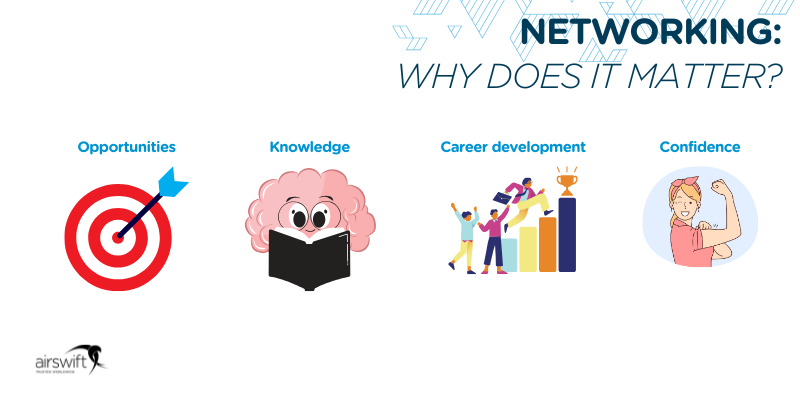
- Access to opportunities: Many job openings and business deals are never advertised publicly. Networking gives you access to the hidden market.
- Knowledge sharing: Through conversations with others, you can gain insights, learn about industry trends, and discover new ways of thinking.
- Career development: Networking can help you find mentors, get referrals, and receive advice that accelerates your professional journey.
- Confidence building: Engaging with others and sharing your story helps build communication skills and self-assurance.
Are there other types of networking?
Understanding what networking is also means recognising its different forms. Not all networking looks the same, and each type serves a unique purpose:
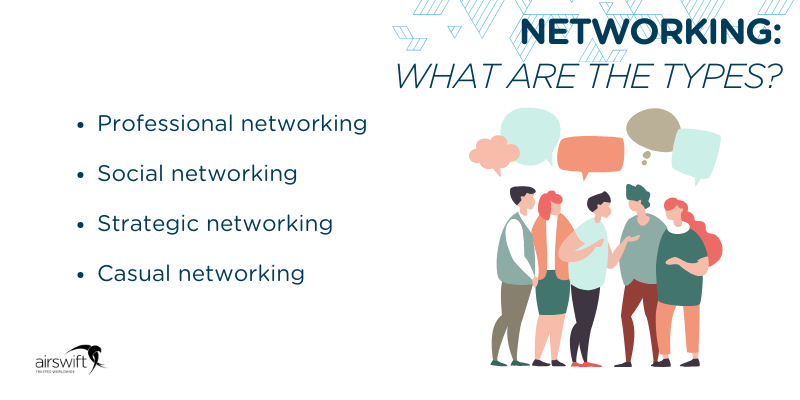
- Professional networking: This involves connecting with colleagues, industry peers, and potential employers. It’s often focused on career advancement and business growth.
- Social networking: Platforms like LinkedIn, Twitter, and even Instagram allow people to build relationships online. These connections can be just as valuable as face-to-face ones.
- Strategic networking: This is more targeted and intentional. It involves identifying key individuals who can help you achieve specific goals and building relationships with them.
- Casual networking: Sometimes, the best connections come from informal settings like coffee chats, community events, or shared hobbies.
How to network effectively
If you’re wondering how to get started with networking, the good news is that it doesn’t require a special skill set - just a willingness to engage. Here are some practical tips:
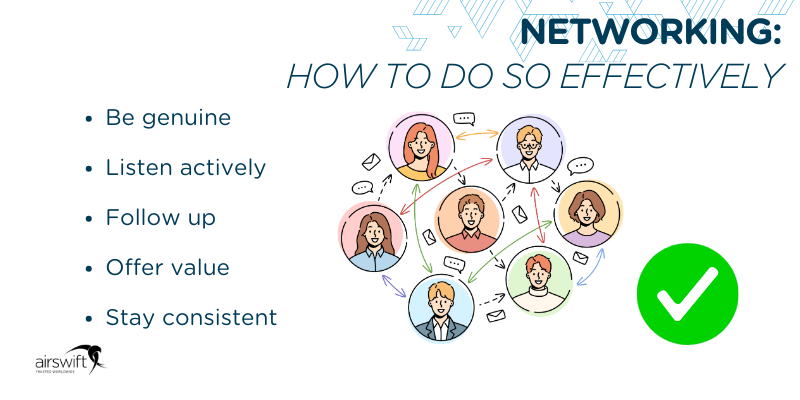
- Be genuine: People respond well to authenticity. Focus on building real relationships rather than just collecting contacts.
- Listen actively: Networking is a two-way street. Show interest in others by asking questions and listening carefully.
- Follow up: After meeting someone, send a message or connect online. A simple follow-up can turn a brief interaction into a lasting relationship.
- Offer value: Think about how you can help others. Sharing resources, making introductions, or offering support builds trust and goodwill.
- Stay consistent: Networking is not a one-time activity. Keep in touch with your contacts and continue to nurture those relationships over time.
What are some common networking mistakes to avoid?
While networking can be incredibly rewarding, there are a few pitfalls to avoid. Understanding what networking is also means knowing what it isn’t:
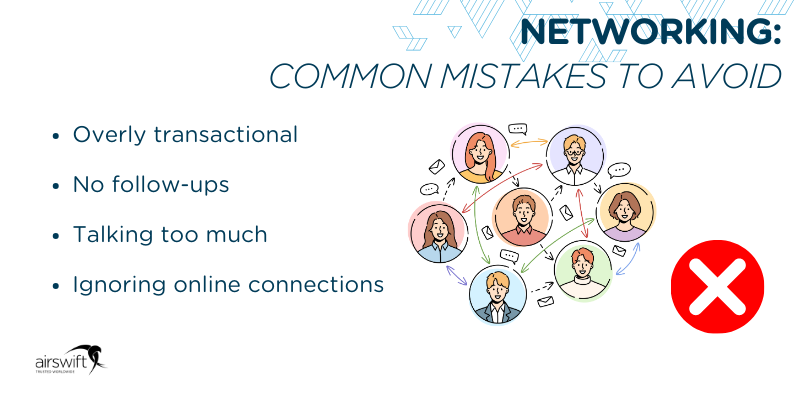
- Being overly transactional: If you only reach out when you need something, people may be less inclined to help.
- Neglecting follow-up: Failing to stay in touch can make your efforts feel insincere.
- Talking too much about yourself: Balance is key. Make sure the conversation is mutual and engaging.
- Ignoring online platforms: In today’s digital age, online networking is just as important as in-person connections.
Networking in different stages of your career
Networking looks different depending on where you are in your professional journey. For students and recent graduates, it’s about building a foundation and exploring opportunities. For mid-career professionals, it’s often focused on growth, leadership, and strategic partnerships. For senior leaders, networking can be about influence, mentorship, and legacy.
No matter your stage, understanding what networking is and how to approach it can make a significant difference in your career trajectory.
Final thoughts
So, what is networking? It’s the art of building relationships that support personal and professional growth. It’s not just about who you know, but how you engage with them. Whether you’re attending a conference, joining an online community, or simply having a chat with a colleague, every interaction is a chance to connect.
Want to build stronger professional connections?
Connect with Airswift to access expert networking support and talent solutions that help your business grow through meaningful relationships and strategic hires.