By
Alicia Edwards
August 18, 2025
Updated
August 18, 2025
What exactly is a unicorn candidate?
In the world of recruitment, the term “unicorn candidate” has become something of a buzzword. But what is a unicorn candidate, really? It’s not just a trendy phrase - it represents a very specific type of job seeker who is highly sought after but incredibly rare. Much like the mythical creature it’s named after, a unicorn candidate is someone who seems almost too good to be true.
What is the anatomy of a unicorn candidate? How can you spot them?
So, what makes someone a unicorn candidate? While the specifics can vary depending on the industry and role, there are a few common characteristics that tend to define these exceptional individuals:
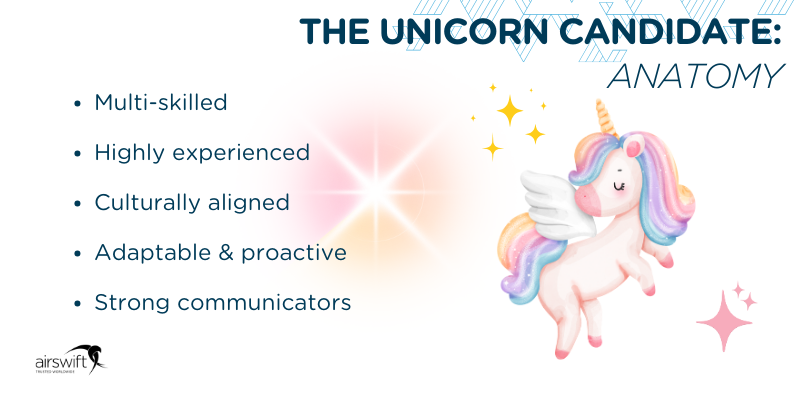
- Multi-skilled: They often have a diverse skill set that spans across disciplines. For example, a marketing unicorn might be fluent in SEO, content strategy, data analytics, and graphic design.
- Highly experienced: Unicorns usually come with years of relevant experience, often in top-tier companies or high-impact roles.
- Culturally aligned: They don’t just fit the job requirements. They also align with the company’s culture, values, mission, and working style.
- Adaptable and proactive: These candidates are quick learners, self-starters, and thrive in fast-paced environments.
- Strong communicators: Whether it’s presenting ideas, collaborating with teams, or managing stakeholders, unicorns know how to communicate effectively.
Why do companies chase unicorn candidates?
The appeal of unicorn candidates is obvious. Hiring someone who can wear multiple hats, hit the ground running, and elevate the team is a dream scenario. Especially in startups or lean organisations, where resources are limited, having one person who can do the job of three is incredibly valuable.
In larger companies, unicorns are often seen as future leaders. People who can innovate, inspire, and drive change. Their ability to bridge gaps between departments or bring fresh perspectives to old problems makes them indispensable.
What are the downsides of this?
While the idea of hiring a unicorn candidate is enticing, it’s not always practical. In fact, the pursuit of perfection can sometimes hinder the hiring process. Here’s why:
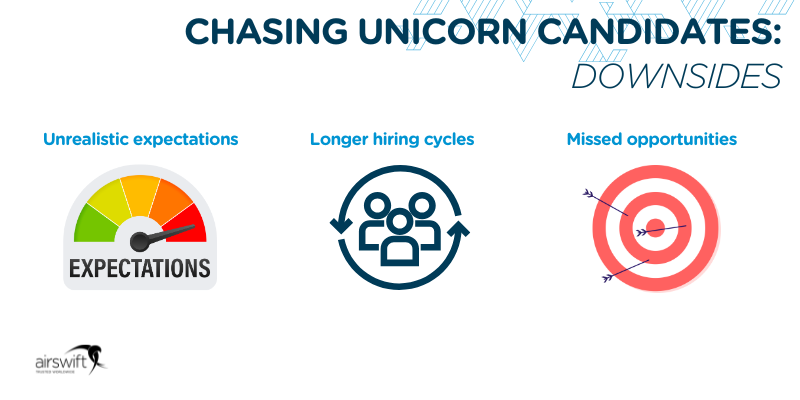
- Unrealistic expectations: Job descriptions that aim for unicorns can become bloated with requirements, deterring qualified candidates who don’t meet every single criterion.
- Longer hiring cycles: Waiting for the “perfect” candidate can delay projects and put strain on existing teams.
- Missed opportunities: By focusing too narrowly on unicorns, companies might overlook talented individuals who could grow into the role with the right support.
It’s important for hiring managers to balance ambition with realism. While it’s great to aim high, being flexible and open-minded can lead to better outcomes in the long run.
How to attract unicorn candidates
If you’re wondering how to attract unicorn candidates to your organisation, the answer lies in your employer brand and recruitment strategy. Here are a few tips:
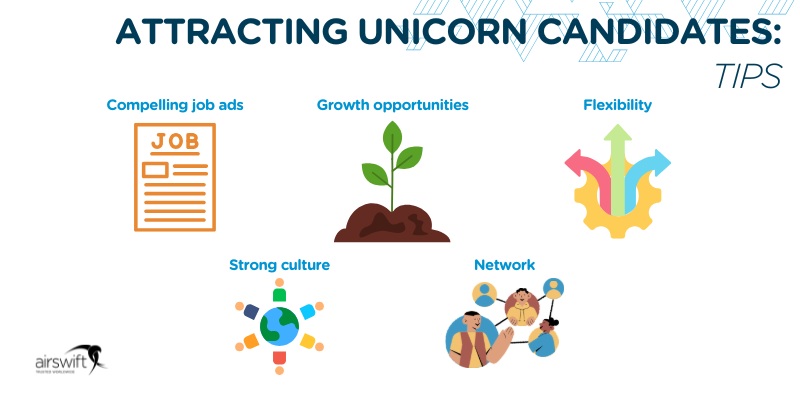
- Craft compelling job ads: Focus on what makes the role exciting and impactful, rather than listing endless requirements.
- Highlight growth opportunities: Unicorns are often driven by learning and development. Show them how they can evolve within your company.
- Offer flexibility: Whether it’s remote work, flexible hours, or autonomy in decision-making, these perks can be very appealing.
- Build a strong culture: A positive, inclusive, and purpose-driven culture can be a major draw for top talent.
- Network strategically: Attend industry events, engage on LinkedIn, and tap into niche communities where unicorns might be hiding.
So, should you always hire unicorns?
Not necessarily. While unicorn candidates can be game-chaners, they’re not the only path to success. Sometimes, hiring someone with potential and investing in their growth can yield even better results. It’s also worth noting that unicorns, due to their high demand, may come with higher salary expectations and be more likely to move on quickly if they’re not challenged.
Instead of chasing unicorns exclusively, consider building a team with complementary strengths. A well-rounded group of specialists can often outperform a single generalist, especially when collaboration is strong.
Final thoughts
By understanding what makes a unicorn candidate and adjusting your hiring strategy accordingly, you can make smarter, more inclusive decisions that benefit your team in the long term. Whether you’re a recruiter, hiring manager, or job seeker, keeping the unicorn concept in mind can help you set realistic goals and recognise true potential when you see it.
Looking to hire exceptional talent?
Connect with Airswift to access exceptional candidates who bring rare skills, cultural alignment, and lasting impact to your organisation.